Cold and flu season is upon us, and it’s that time of year when we all do our best to avoid getting sick and quickly recover from sickness. However, it’s almost inevitable that at some point, we’ll be dealing with some type of illness.
This year, with the added challenges of the ongoing pandemic, staying healthy is more important than ever. It seems like everyone is falling sick these days, and when you do catch a cold or flu, it can hit you hard. Despite getting my flu shot and staying up-to-date on vaccines, I’ve found myself battling some particularly nasty bugs this winter.
That’s why I’m here to share a list of ten simple ways to help you recover from illness more quickly. Please remember that this post offers suggestions and tips for your well-being, not medical advice. So, let’s explore these strategies to help you feel better faster!

1.Prioritize Rest
While this tip might seem obvious, it’s worth emphasizing just how essential rest is when you’re feeling under the weather. Many people tend to push themselves, trying to carry on with their daily activities, and ignoring their body’s need for rest.
In fact, giving your body a chance to use its energy to fight the virus is one of the most critical factors in a swift recovery. This is especially important for those with weakened immune systems and chronic illnesses/ medical conditions, this can lead to a longer recovery time to get back to normal routine and feel well.
So, remind yourself that getting plenty of rest is a good idea. It’s not a glamorous remedy, but it’s highly effective for a healthy recovery. Use this time to catch up on your favorite TV shows, have long phone chats with friends, indulge in a good book, or simply get some much-needed sleep. When you’re feeling restless, consider incorporating light exercises to boost your energy levels improve your overall well-being, and promote a healthy lifestyle.

2. Keep Your Bed Sheets Clean
When it comes to expediting recovery from a runny nose or other common cold symptoms, one of the best ideas is to maintain clean bedding. It’s common to cough, sneeze, and drool while you’re sick, which can lead to germs accumulating on your sheets and pillowcases. To speed up the healing process, consider changing your bedding more frequently than usual.
For example, you might change your pillowcase daily, especially if you find yourself sneezing, coughing, and drooling a lot. If you lack the energy to wash your entire bedding, you can use a bacteria-reducing fabric spray designed for bedding. Spritz your duvet and sheets daily to help eliminate lingering germs. As a bonus tip, remember to change your hand towels regularly as well.

3. Manage Your Medications
Managing your medications is crucial for your well-being, particularly when you’re unwell and trying to recover from illness. This is because sickness can sometimes lead to a foggy mind or difficulty remembering on top of low energy. To stay on track with your medication, make sure to keep a record of when you’ve taken a dose and when your next one is due.
One method is to use a simple system, like writing down your medication times on a post-it note, following the guidelines provided by the manufacturer. This way, you can easily track your doses. For medications that don’t follow regular intervals, consider recording the time you took them on a post-it note to remember for the next dose. When it comes to vitamins and minerals, keeping them organized in a pill holder, marked with each date, can be immensely helpful. If you’re ever uncertain about your medication dosage or dosing intervals, consult with a medical professional or pharmacist.
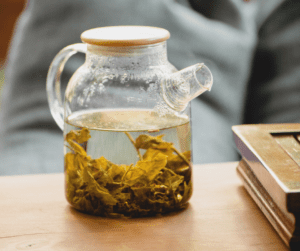
4. Hydrate with Vitamin C and Coconut Water
When you’re dealing with flu symptoms, especially a sore throat, consider reaching for beverages like herbal teas, coconut water, and other hydrating options rich in vitamin C. Avoid coffee, milk, and dairy or caffeine-based products, as they can potentially prolong your illness. It’s a good idea to opt for clear liquids when trying to feel better from sickness.
Why is this a good idea? Clear, warm liquids help break up mucus, which can assist your body in expelling bacteria and germs more efficiently. Moreover, these beverages help reduce inflammation, making you feel better and aiding your body’s recovery. This will also help you maintain a balanced diet stay hydrated, and make a positive impact on helping you feel better quicker.

5. Freshen Up with a Shower or Bath
Taking a shower or bath is a common practice that many people already know is beneficial when you’re sick. However, it’s always worth reiterating, especially when you’re not feeling your best. Showers or baths provide your body with the warmth it needs to reduce inflammation, alleviate congestion, and support overall health.
Although the idea of getting into the shower may feel overwhelming when you’re unwell, consider opting for a bath if you’re tired or if you believe it’s a safer option. Do not take a bath if you’re feeling sleepy or dizzy, this can be unsafe.
While in the hot water shower, you help eliminate germs and bacteria in your body, and the warm water helps dilate your blood vessels. This can reduce pain and headaches while enhancing circulation in your body. So don’t hesitate to jump in the shower and get clean. Be sure to change into clean, comfortable clothing when you’re done.

6. Stay Hydrated with Clear Liquids
One of the most important things to focus on during your recovery process is staying well-hydrated with plenty of water. Hydration plays a significant role in regulating your body’s temperature, reducing fevers, preventing harmful bacteria from entering your system, and easing symptoms.
Proper hydration can come from various sources, such as water, clear broths, and juices. To maintain your energy levels and stay hydrated, it’s a good idea to keep water bottles within reach and consider using sports hydration drinks. If you’re tired of plain cold water, you can infuse it with fruits like lemons, strawberries, cucumber, raspberries, or grapefruit to add a touch of flavor while replenishing your sugars and vitamins.

7. Take Sick Leave
When you’re feeling unwell, one of the most important things you can do is take a sick day. Doing so has several benefits. First and foremost, it’s the best way to prevent the spread of bacteria and illness to others, which is a key consideration, especially during cold and flu season. Taking a sick day also allows your body the time it needs to rest and fight off the virus effectively.
When you push yourself and fail to take time to rest, your body expends energy on daily tasks and events, making it more challenging to overcome the virus. Additionally, it’s important to recognize when you need to visit a clinic, consult a medical professional, or seek emergency care if your symptoms warrant it.

8. Fuel Your Recovery with Nutritious Foods
Eating fresh and nutritious foods is a key aspect of expediting your recovery from illness. Fresh fruits and vegetables provide your body with essential vitamins and minerals needed to combat sickness. Keeping fresh produce on hand is a great idea, as you can cut it up and enjoy it when your appetite permits.
For those struggling with nausea, real fruit smoothies can be a fantastic option. You can either make your own by blending fresh fruit or purchase pre-made real fruit smoothies from the grocery store. Another helpful tip is to have frozen soup cubes on hand to make simple broth soups on demand.
These can be easily reheated and are packed with fresh vegetables to boost your immune system. Fresh fruits and vegetables help your body reduce inflammation, supporting your recovery.

9. Incorporate Light Exercises for Mental Health
When thinking about how to recover from sickness quickly, don’t forget about the mental health aspect. Light exercises may not be the first thing that comes to mind, but they can be immensely beneficial. When you’re sick, it’s common to become more sedentary, which can affect your mental well-being.
Light exercises help reduce joint pain and body aches, improve sleep quality, and boost your overall mental health. It’s important to practice slow and gentle stretches that facilitate body movement without putting stress on your joints. Additionally, consider lymphatic drainage massage to help alleviate congestion. Here are some at-home stretches you can try to reduce joint pain and improve your mental well-being.

10. Use a Humidifier for Respiratory Health
Adding moisture to the air with a humidifier can be a game-changer, especially when you’re battling illness during the winter months. Humidifiers work by increasing the moisture content in the dry indoor air, which can be particularly helpful when you’re feeling unwell.
A humidifier can soothe dry sinuses, ease your symptoms, and reduce the risk of future illnesses. It can also assist in reducing snoring, which tends to be more common when you have a cold. So, if you’re wondering how to get over sickness fast, consider adding a humidifier to your space. This will help relieve a stuffy nose and respiratory symptoms.
Incorporating these strategies into your recovery process can go a long way in helping you feel better sooner. Remember that while these tips can be beneficial, they’re not a substitute for medical care. If you have concerns about your health, it’s always a good idea to consult with your primary care physician or a medical professional. I wish you a speedy recovery and good health, and remember that rest is not the last thing; it’s one of the first things you need to prioritize.


I’ve never before considered changing my pillows when I’m ill. Thanks for the advice.
I hope it helps Rachel! Hoping you feel better soon 🙂